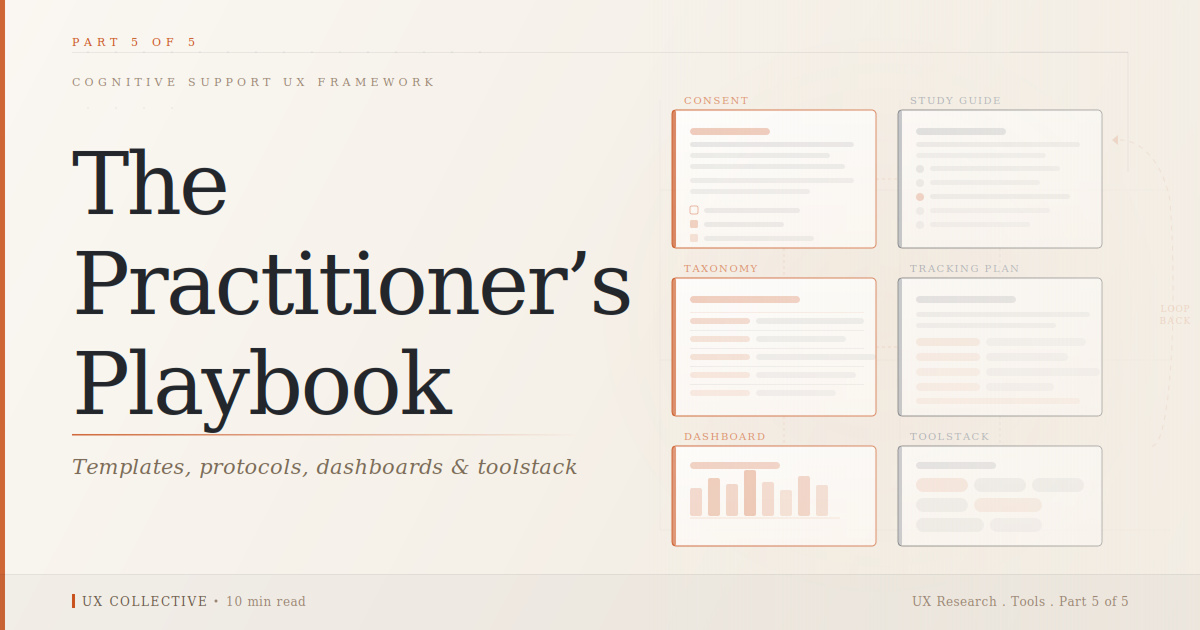
The Practitioner's Playbook.
sep 2026
everything you need to deploy the cognitive support ux framework in a real team: templates, protocols, dashboards, and tool stack. → Part 5 of 5
Read the full article
21+ years · enterprise platforms · design systems at scale
i'm a lead ux architect who turns complex enterprise workflows into clear, accessible products, across financial services, healthcare and telecom.
i work from discovery and ux strategy through to delivery, and design systems are how i make that scale: tokens, components, governance and documentation tied to the code that ships. i set direction, stay hands-on, and work closely with product, engineering and business teams.
i also use ai-assisted research, prototyping and design-to-code to test ideas faster, with user understanding and human judgement staying in charge.
beyond the screen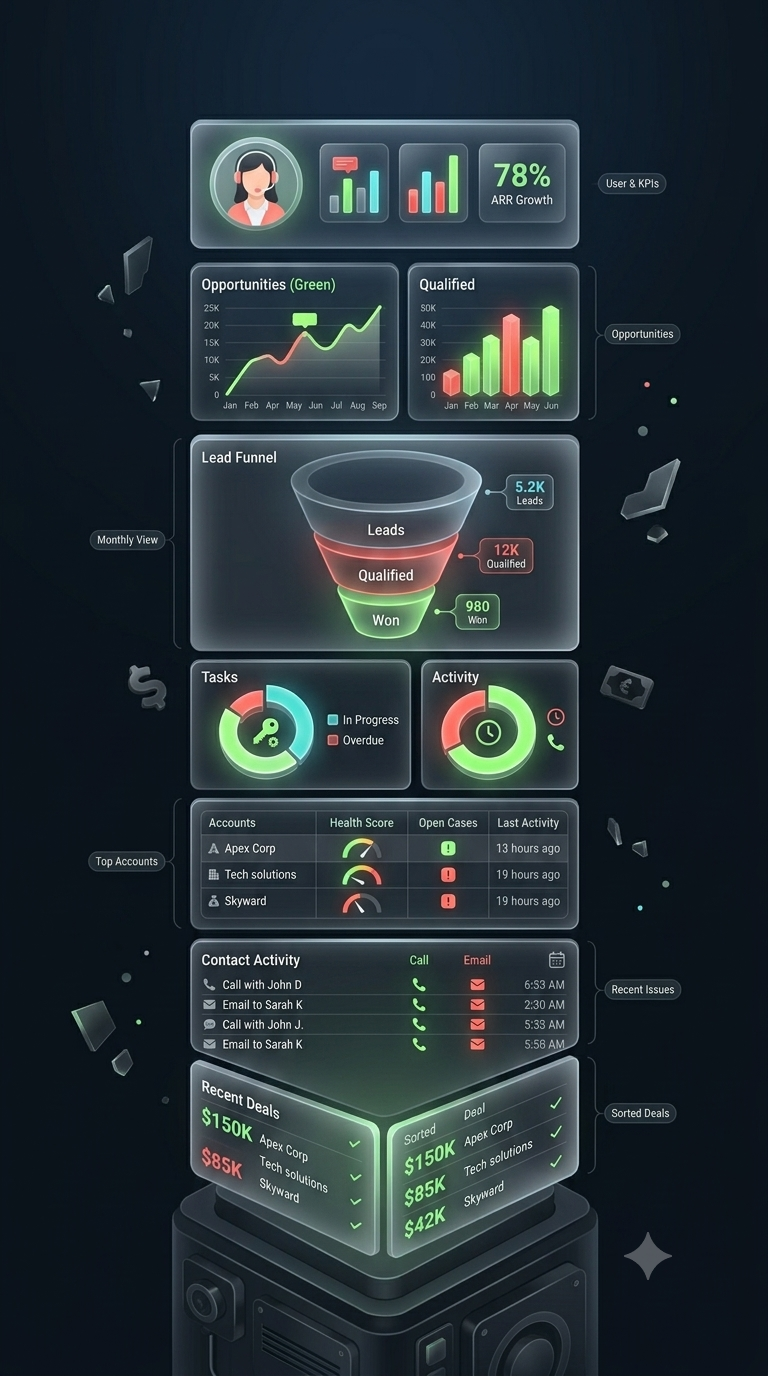
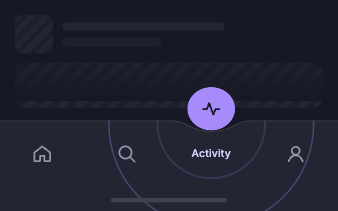 footer nav interaction
aug 2026
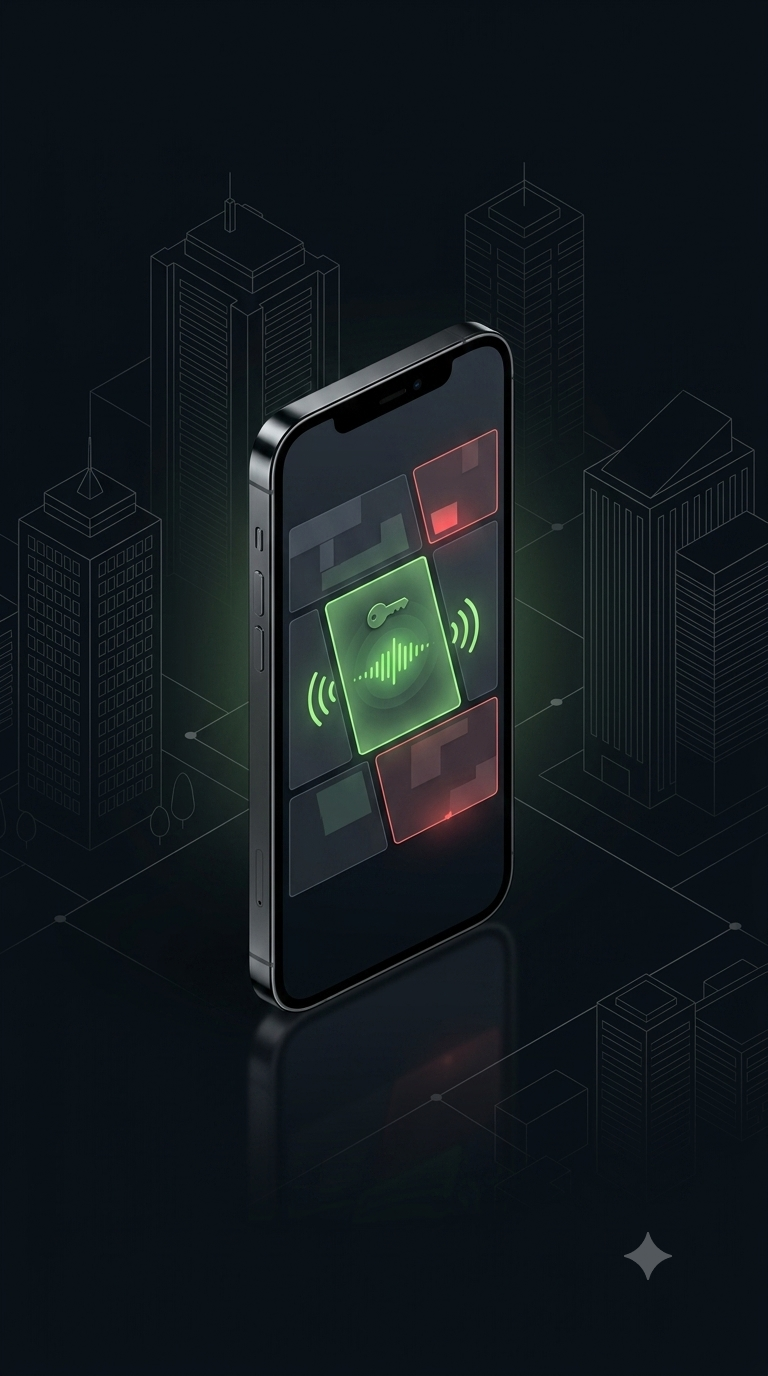
a bottom-navigation micro-interaction: a morphing notch and floating home button that animate as you move between tabs.
footer nav interaction
aug 2026
a bottom-navigation micro-interaction: a morphing notch and floating home button that animate as you move between tabs.
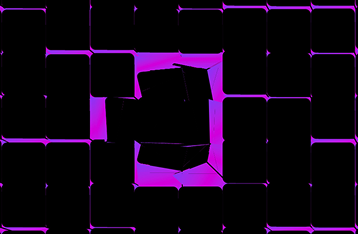 3d diamond grid
jul 2026
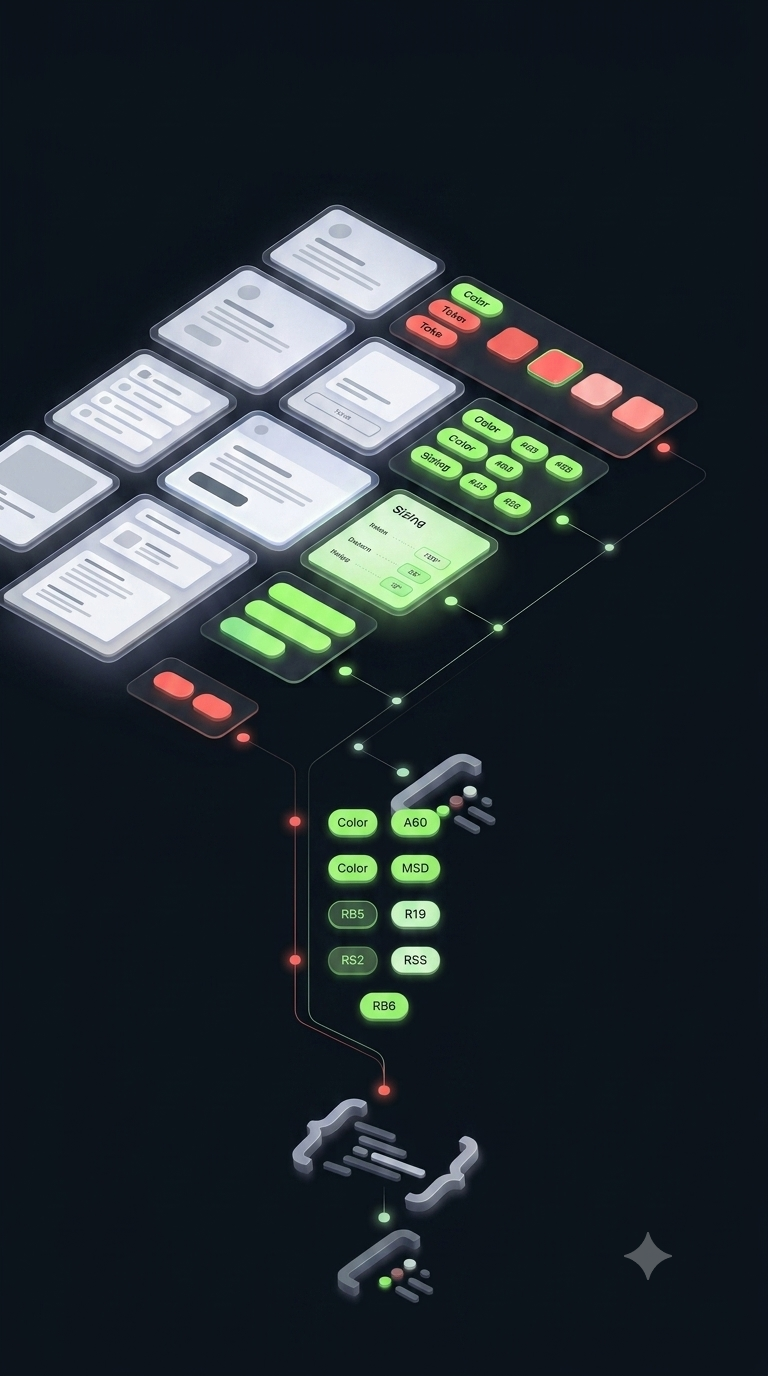
an interactive grid of animated 3d diamonds, vibe-coded end to end with claude's design tool.
3d diamond grid
jul 2026
an interactive grid of animated 3d diamonds, vibe-coded end to end with claude's design tool.
sep 2026
everything you need to deploy the cognitive support ux framework in a real team: templates, protocols, dashboards, and tool stack. → Part 5 of 5
Read the full article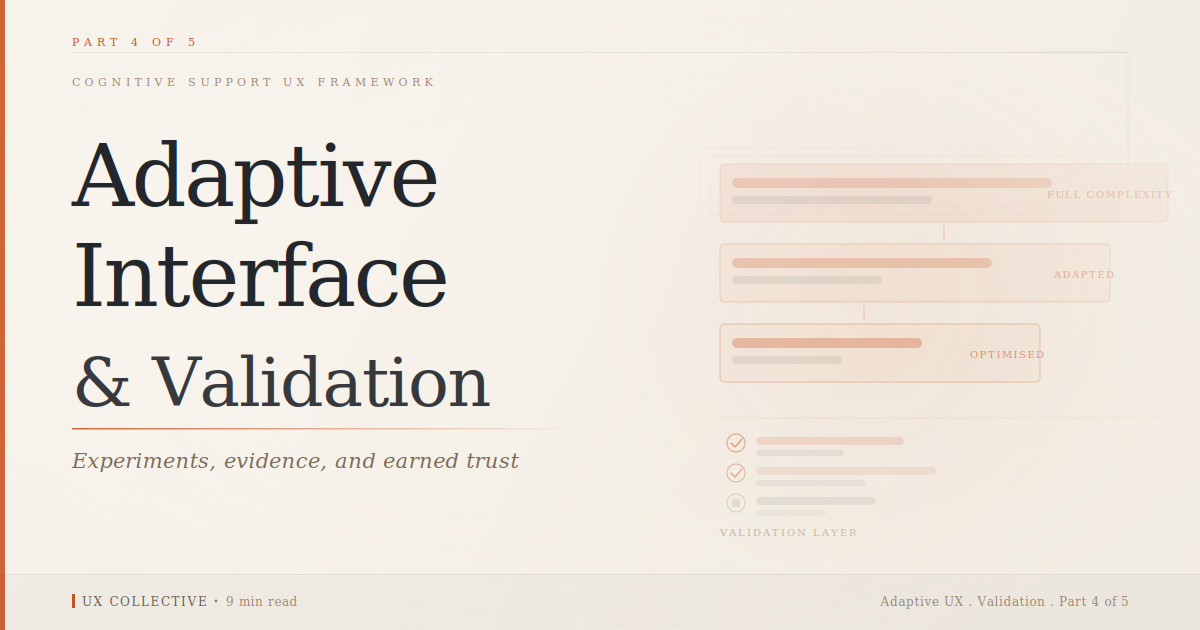
july 2026
progressive disclosure is one of the most cited ideas in ux, but revealing options on demand isn't enough. here's how to adapt the interface itself, and prove the change actually worked. → Part 4 of 5
Read the full article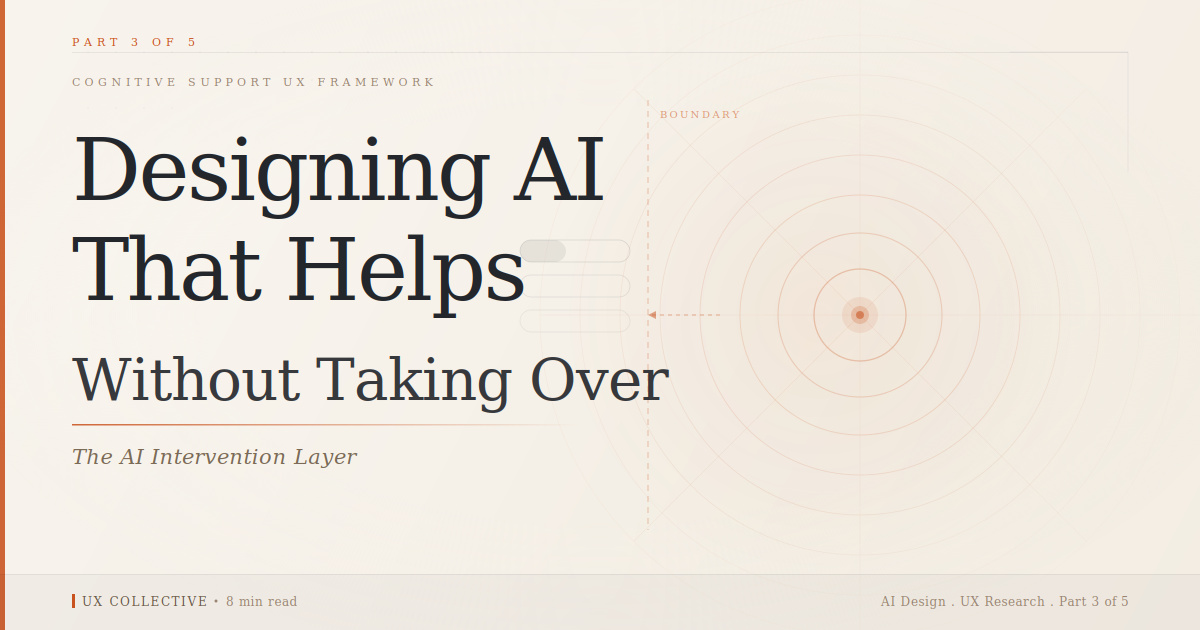
july 2026
how to decide when to intervene, what to say, how to calibrate trust, and how to measure whether the help actually helped. → Part 3 of 5
Read the full article"Senthil is a trusted UX partner known for delivering high-quality, timely solutions on critical projects. He consistently goes above and beyond, collaborating seamlessly across teams to ensure success."
Mehul Vakharia - Vice President at Citi
"Senthil blends UX vision with elegant design and seamless collaboration - always thoughtful, approachable, and focused on delivering high-impact solutions."
Arun Raghunath - Architect at iExceed
"Senthil brings a rare blend of technical insight and creative design thinking, consistently delivering thoughtful solutions under pressure. His leadership, approachability, and cross-functional collaboration make him a standout designer and team asset."
Victor Ananth - Lead UX Designer at Guidewire Software
"Senthil is a highly innovative and detail-oriented UX/UI designer with a strong technical edge and a passion for continuous learning. Known for his creativity, enthusiasm, and client-focused mindset, he's a true asset to any team."
Vignesh Babu - Lead UI at iExceed






your email app should have opened with the message ready to send. just hit send and i'll get back to you very soon. if it didn't open, email me directly.
senthil